
Specialized Lymphatic Care
Lymphedema Treatment
at Fuzion Professional Massage
Evidence-based Complete Decongestive Therapy delivered with compassion by our Certified
Lymphedema Therapist — helping you reduce swelling, regain mobility, and reclaim your quality of life.
Understanding Your Condition
What is Lymphedema?
Lymphedema is a chronic swelling condition caused by an abnormal accumulation of protein-rich lymphatic fluid in an affected area. It develops when lymphatic drainage is disrupted — most often in the arms or legs, but it can also affect the face, neck, abdomen, or genitals.
It may occur following surgery, radiation, cancer treatment, or from vascular or lymphatic conditions. While lymphedema is a lifelong condition, it can be effectively managed with proper care and treatment.
Remarkably, even though lymphedema affects hundreds of millions worldwide, its seriousness and the problems it creates are often poorly understood — even in the medical community.
Causes of Lymphedema
Primary Lymphedema — caused by a congenital or inherited abnormality of the lymphatic system (less common).
Secondary Lymphedema — caused by a known, significant trauma directly impacting the lymphatic vessels or nodes, including:
Surgical cancer treatments & lymph node removal
Radiation therapy
Trauma or injury
Venous insufficiency
Infection or chronic inflammation
Certain surgeries
Common Signs & Symptoms
Swelling in the arm(s) or leg(s)
Feeling of heaviness or tightness
Reduced flexibility or range of motion
Skin thickening, changes, or recurrent infections
Discomfort, aching, or fatigue in the limb
Clothing, shoes, or jewelry fitting differently on one side
Early treatment is associated with better outcomes — don't wait.
8–10M
Americans living with lymphedema
250M
People affected worldwide
90%+
Of cases are secondary lymphedema
20–25%
Of breast cancer survivors develop lymphedema
Sources: CDC, National Lymphedema Network, StatPearls NCBI, National Cancer Institute
Our Approach
How We Help
At Fuzion Professional Massage, we specialize in Complete Decongestive Therapy (CDT)
the gold standard for lymphedema care. Your individualized treatment plan may include
any combination of the following components.
Manual Lymphatic Drainage
A gentle, specialized hands-on technique using light, rhythmic movements to encourage fluid movement and support lymphatic function. Very different from traditional massage.
Compression Bandaging
Short-stretch bandages applied to reduce limb size and maintain results between sessions. A critical component during the intensive phase of treatment.

Therapeutic Exercises
Targeted remedial movements designed to promote lymphatic flow, support mobility, and reinforce the effects of hands-on treatment.

Skin Care Education
Meticulous skin care guidance to help prevent infection and complications an essential part of long-term lymphedema self-management.
Your Treatment Journey
Complete Decongestive Therapy (CDT)
CDT is a multi-component approach to treat lymphedema and related swelling conditions.
After an initial evaluation, treatment follows two primary phases and then transitions
to lifelong independent management.

Evaluation
Your Certified Lymphedema Therapist will evaluate your swelling, skin condition, and mobility to develop an individualized plan of care. Within the first one to two visits, you — and if appropriate, a family member or caregiver — will receive instruction on an in-home program including self-MLD, compression bandaging techniques, remedial exercises, and skin care guidance.
If compression bandages or Mediven reduction kits are needed, you will receive information on where to obtain these before treatment begins.

Phase 1 — Intensive Phase (Reduction)
Depending on severity and level of need, you will attend sessions 3–5 times per week for several weeks to reduce swelling in the affected area. Each session includes: intake, Manual Lymphatic Drainage (MLD), reapplication of compression bandages, and exercise review.
The first session includes a full evaluation, measurements, MLD, bandage application, and home care instruction. The final session of this phase includes re-evaluation, measurements, MLD, and assistance with compression garment fitting.
Important: Compression bandages are a critical part of reducing swelling during this phase. Leaving the limb without compression for extended periods can allow fluid to quickly return, slowing or reversing your results. Please wear loose clothing that bandages can fit under.

Phase 2 — Self-Management (Maintenance)
Once swelling has been reduced, the focus shifts to maintaining those results. The most important part of this phase is wearing a properly fitted compression garment. Your therapist will refer you to a certified garment fitter to ensure you receive the correct size and type of compression.
At this stage, over-the-counter compression garments are typically not appropriate and may not provide the correct level of support needed to maintain your progress.

Phase 3 — Independent Lifelong Management
In this ongoing phase, you independently manage your lymphedema using the techniques learned during treatment, along with your prescribed compression garments and any recommended devices. You will monitor your condition and recognize early warning signs of infection or worsening swelling.
Compression garments should be reordered as needed — they are guaranteed for 4–6 months depending on wear and activity. For hygiene purposes, two garments should be ordered as they require daily hand washing.
Patients are discharged to independent care but are welcome to return for periodic check-ups or if concerns arise.
M E E T Y O U R T H E R A P I S T
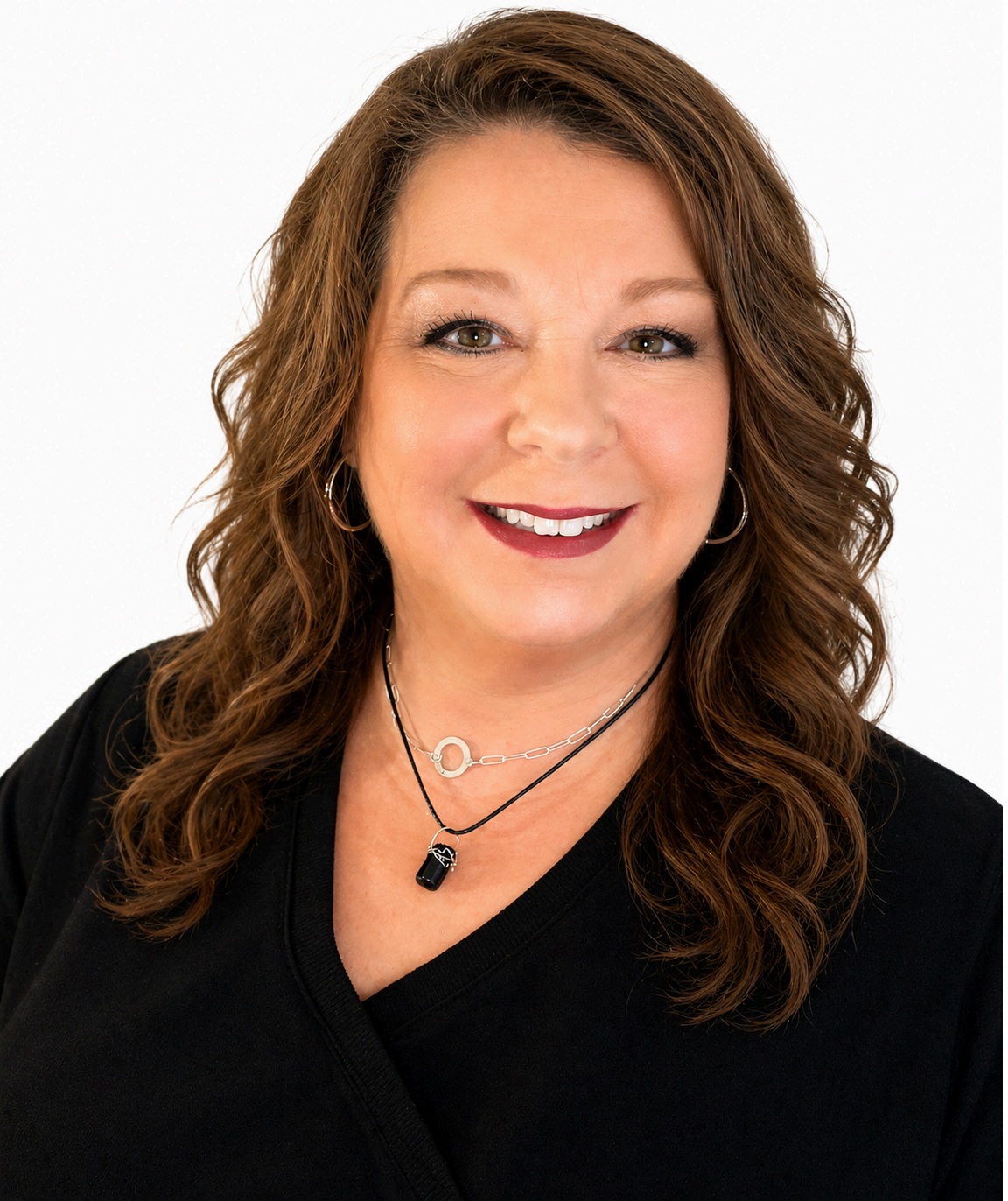
Michele Germino
Your Certified Lymphedema Therapist
Certified Lymphedema
Therapist · Licensed Massage
& Bodywork Therapist
CLT Certified Lymphedema Therapist
Norton School of Lymphatic Therapy
Foeldi Method (CDT)
16+ Years Experience
Prenatal & Postpartum
Neuromuscular Cupping
Deep Tissue
ABMP Member
Ashiatsu
Swedish Massage
Michele is a Durham, NC native who spent 27 years in Hanover, Pennsylvania, raising her two sons before returning home to North Carolina in 2022. She completed her massage therapy training and certification at Harrisburg Area Community College in 2010 and brings over 16 years of hands-on experience in both medical and wellness settings. In 2025, Michele earned her Certified Lymphedema Therapist (CLT) credential through Norton School of Lymphatic Therapy, where she is trained in the Foeldi Method of Complete Decongestive Therapy (CDT) — the gold standard protocol for lymphedema care. She is dedicated to providing compassionate, evidence-based care for individuals living with lymphedema and related lymphatic conditions. Michele is passionate about helping others improve their quality of life through therapeutic touch and individualized care. She believes massage therapy should be both restorative and results-driven, providing patientcentered treatment that complements medical and holistic healthcare. Throughout her career, Michele has built lasting relationships with patients, colleagues, and healthcare providers. Her experience includes work with WellSpan Health in York and Gettysburg, PA, and the UNC Health Wellness Center at Meadowmont in Chapel Hill, NC.
C LT · LM B T # 2 0 1 7 4
CLT Certified Lymphedema Therapist
Norton School of Lymphatic Therapy
Foeldi Method
(CDT)
16+ Years Experience
Prenatal & Postpartum
Neuromuscular Cupping
Deep Tissue
ABMP Member
Ashiatsu
Swedish Massage
M E E T Y O U R T H E R A P I S T
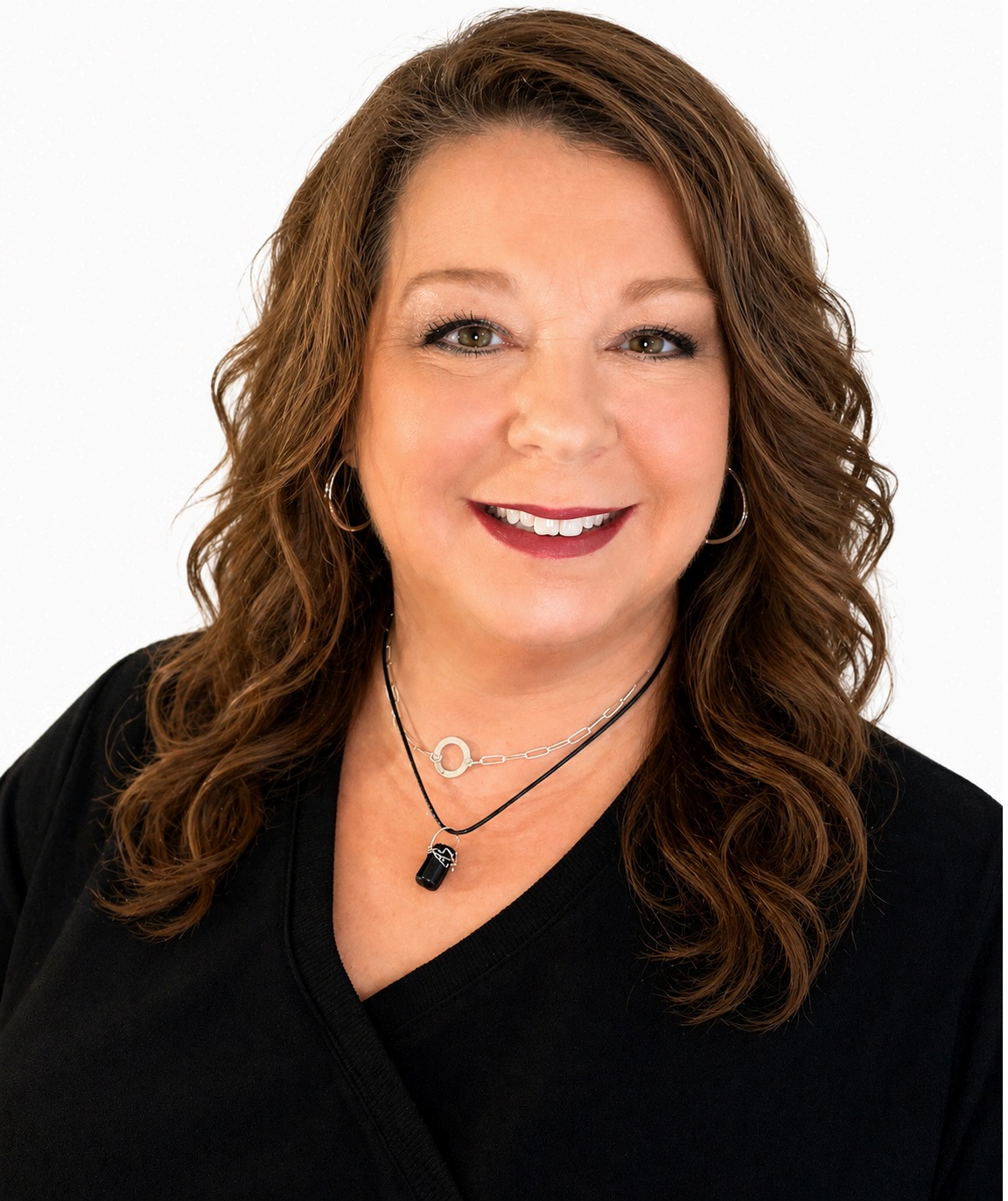
Your Certified Lymphedema Therapist
Michele Germino
Certified Lymphedema
Therapist · Licensed Massage
& Bodywork Therapist
Michele is a Durham, NC native who spent 27 years in Hanover, Pennsylvania, raising her two sons before returning home to North Carolina in 2022. She completed her massage therapy training and certification at Harrisburg Area Community College in 2010 and brings over 16 years of hands-on experience in both medical and wellness settings. In 2025, Michele earned her Certified Lymphedema Therapist (CLT) credential through Norton School of Lymphatic Therapy, where she is trained in the Foeldi Method of Complete Decongestive Therapy (CDT) — the gold standard protocol for lymphedema care. She is dedicated to providing compassionate, evidence-based care for individuals living with lymphedema and related lymphatic conditions. Michele is passionate about helping others improve their quality of life through therapeutic touch and individualized care. She believes massage therapy should be both restorative and results-driven, providing patientcentered treatment that complements medical and holistic healthcare. Throughout her career, Michele has built lasting relationships with patients, colleagues, and healthcare providers. Her experience includes work with WellSpan Health in York and Gettysburg, PA, and the UNC Health Wellness Center at Meadowmont in Chapel Hill, NC.
Investment in Your Health
Treatment Packages & Rates
CDT packages are designed to match your level of need, from essential care to the most
intensive treatment protocol. All packages include your evaluation, intensive phase
sessions, and a final wrap-up session.
Level 1
Essential Care CDT Package
$1,620
12 total sessions
1 evaluation + 10 intensive phase sessions + 1 final wrap-up session
Level 2
Enhanced Recovery CDT Package
$1,890
14 total sessions
1 evaluation + 14 intensive sessions (3× per week for 4 weeks) + 1 final wrap-up session
Level 3 (Most Comprehensive)
Comprehensive Care CDT Package
$2,052
18 total sessions
1 evaluation + 18 intensive sessions (4× per week for 4 weeks) + 1 final wrap-up session
Level 4
Gold Standard Intensive Care Package
$2,430
22 total sessions
1 evaluation + 20 intensive sessions (5× per week for 4 weeks) + 1 final wrap-up session
Individual MLD Sessions (Non-Package)
60 Minutes
75 Minutes
90 Minutes
Compression Bandage Re-wrap Only (30 min)
$124
$145
$162
$40
Insurance & Payment Information: It is your responsibility to check with your insurance company, HSA, or FSA to see what expenses are covered before beginning treatment. We do not bill insurance, but we can provide a detailed Superbill that may be used to process an out-of-network reimbursement claim. Some clients also utilize HSA/FSA accounts, Cherry Financing, or CareCredit to manage costs.
Frequently Asked Questions
Is Lymphedema curable?
While there is currently no cure for lymphedema, it can often be effectively managed through proper treatment and self-care. Early intervention can help reduce swelling, improve circulation and comfort, and prevent progression of the condition.
What is Manual Lymphatic Drainage (MLD) and how is it
different from regular massage?
MLD is a gentle, specialized hands-on technique designed to encourage the movement of lymph fluid and support lymphatic function. It uses light, specific rhythmic movements — very different from traditional massage. Traditional massage alone is not considered a treatment for lymphedema. A Certified Lymphedema Therapist may be a massage therapist, physical therapist, occupational therapist, nurse, or other medical provider specifically trained in MLD and CDT techniques.
Is Lymphedema Therapy painful?
The treatment is generally gentle and relaxing. The rhythmic motions often relax the body into a parasympathetic, deep state of relaxation. Many clients report reduced discomfort, decreased heaviness, and improved mobility after sessions.
Can Lymphedema get worse if left untreated?
Yes. Without treatment, swelling may progress and increase the risk of fibrosis (hardening of tissue), reduced mobility, skin changes and possible breakdown, infection, and increased discomfort. Early and consistent treatment produces the best outcomes.
How important is compression during treatment?
Compression is a critical part of lymphedema management. It helps support fluid movement and maintain treatment results. Recommendations vary by individual needs and tolerance, and your therapist will guide you on the appropriate type and level of compression for your situation.
Can exercise help with Lymphedema?
Yes. Appropriate movement and exercise can support lymphatic flow, improve mobility, and help manage swelling — when performed safely and progressively. Your therapist will incorporate therapeutic exercise guidance into your home program.
Does insurance cover Lymphedema Therapy?
We do not bill insurance directly; however, coverage varies by insurance plan. Some clients use out-of-network reimbursement, HSA or FSA accounts, or medical reimbursement plans such as Cherry Financing or CareCredit. A detailed Superbill may be provided for eligible services to submit for reimbursement.
Your Role in Treatment
Lymphedema care is a partnership. The best outcomes happen when we work together toward shared goals.
✓ Reduce Swelling
✓ Improve Comfort & Mobility
✓ Prevent Complications
✓ Build Confidence in Self-Management
Follow your customized home program, wear compression as recommended, stay consistent
with appointments, and monitor your skin and swelling changes.
We'll guide you every step of the way.